
Troubleshooting
7 articles
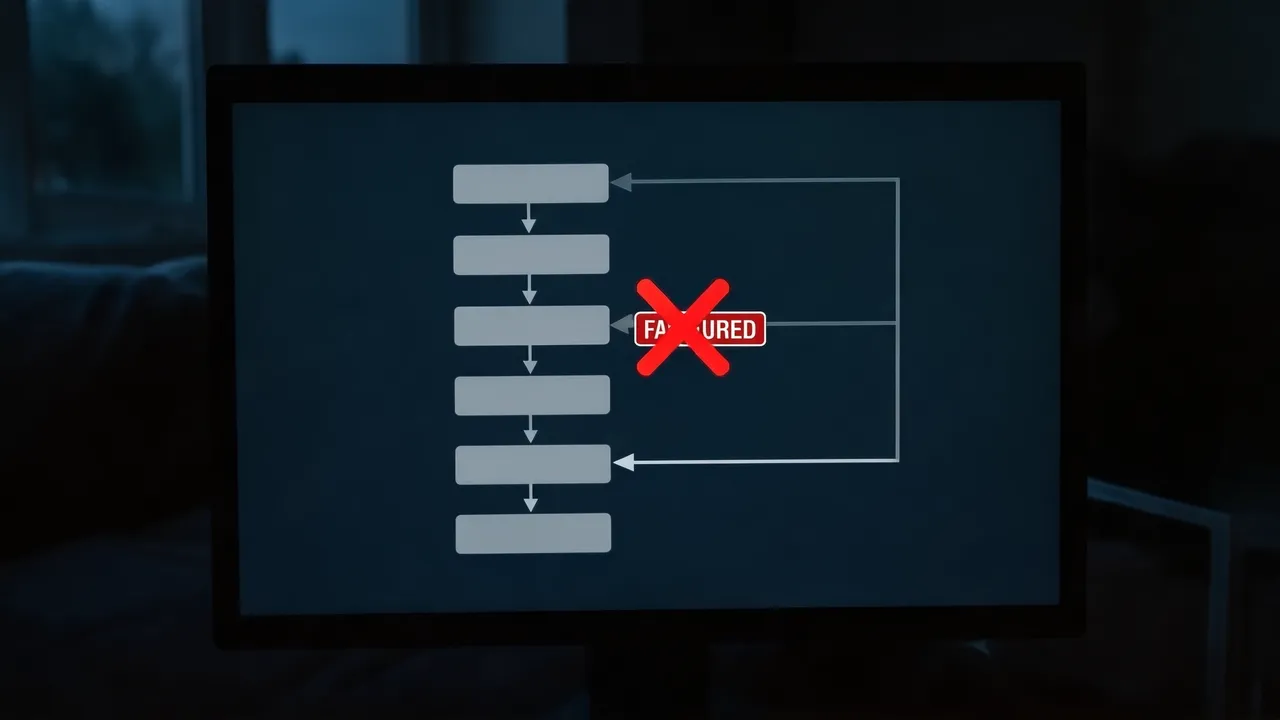
HTTPS Fails Intermittently: Pinpointing the TLS Handshake Step That Broke
A TLS connection failed error that appears only every few requests is an evidence problem, not a protocol problem. Starting from an offline capture, this guide filters TLS records, checks whether ClientHello and ServerHello pair up, locates alert records, and confirms the verdict with the TLS grade card and the TLS layer of the six-layer diagnosis.

"Is It the Network?" Reading the Layered Diagnosis Verdict Card
When a 'the system is slow' ticket lands on the NOC, the slow part is rarely finding data — it is turning terminal output into one sentence you can send back. This guide opens the verdict card at the top of the Statistics page, reads its six layers from link to application, and jumps straight to the evidence packets.
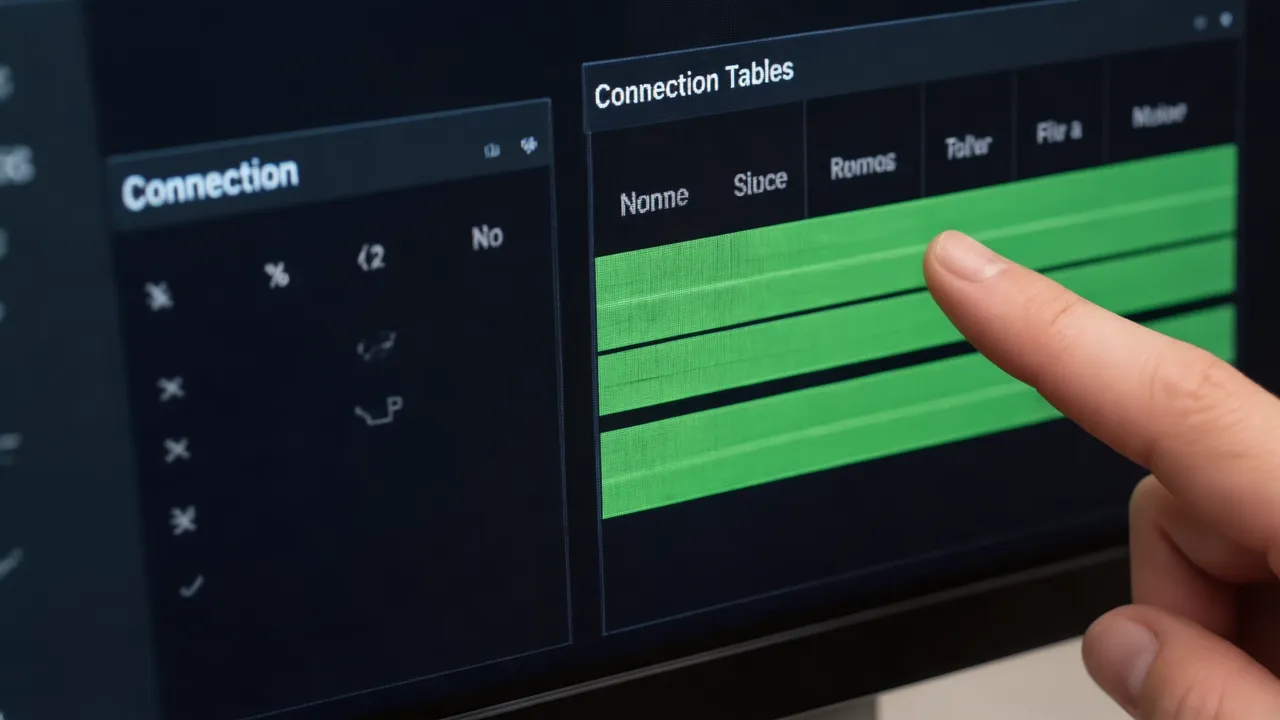
Before vs After: Finding New Connections with Capture Diff
You changed a firewall rule. How do you prove it added only the connection you intended — and no surprise egress? Here's how to load two offline captures into PcapDecoder's capture diff and read added / removed / delta across endpoints, conversations, protocols, and anomalies.

What Causes Packet Loss? Retransmissions, Reordering, and Link Quality
Stuttering applications, slowing downloads, and choppy voice calls are usually caused by packet loss. This capture-based guide explains the four signals packet loss leaves behind, the concrete metrics for judging link quality, and a systematic method for pinpointing where loss happens.

How to Find Network Latency Problems in a Packet Capture
'The network is slow' is the vaguest trouble ticket an engineer ever receives. This article lays out a four-step, packet-capture-based method: first break down where the latency lives, then tell waiting, losing, and a slow server apart — each step with clear decision criteria and the packet evidence that backs it.

How to Handle Huge PCAP Files Without Crashing
A multi-GB pcap that stutters on open and crashes halfway through analysis — large files are a daily pain point in packet analysis. This article lays out a complete approach, from tool selection to segmented analysis, plus PcapDecoder's specific design for large files.

How to Detect ARP Spoofing in a Packet Capture
ARP spoofing is the classic technique behind man-in-the-middle attacks on a LAN, and a recurring headache in internal network troubleshooting. This article explains the packet signatures of the attack and uses a real capture to walk through how to identify and confirm it step by step with PcapDecoder.