
Forensics
8 articles
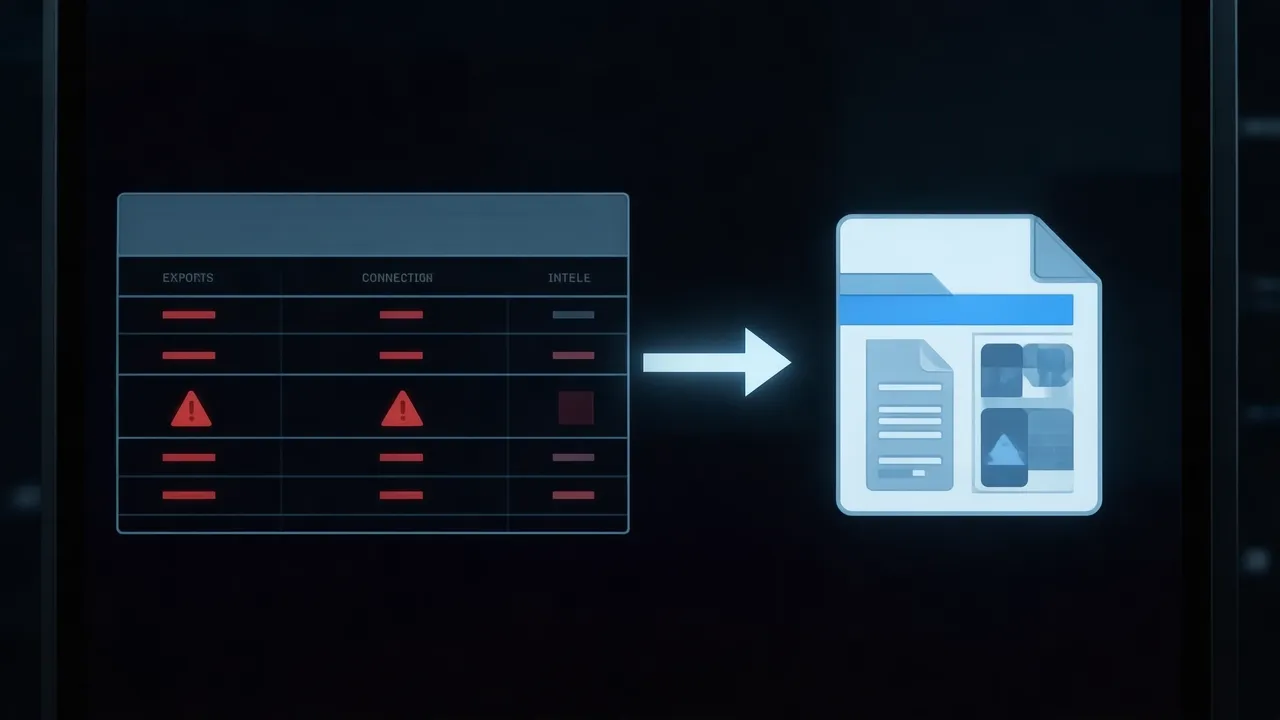
A Threat List You Can Hand Off: Exporting IOC Evidence Packages for SIEM
You found a C2 beacon on a host, but your SOC teammate wants something they can load into the SIEM — not a screenshot. Here's how to turn the findings already on screen in PcapDecoder into an IOC evidence package and export it as CSV or JSONL.

Pull Files Out of Traffic: Session File Carving and Preview
When someone exfiltrates a file over HTTP, the evidence is sitting in the reassembled TCP stream — buried in raw bytes. This walkthrough shows how to open the right conversation, switch to the Files tab, preview what was carved, and save it as evidence, along with what the carving engine can and cannot recover.
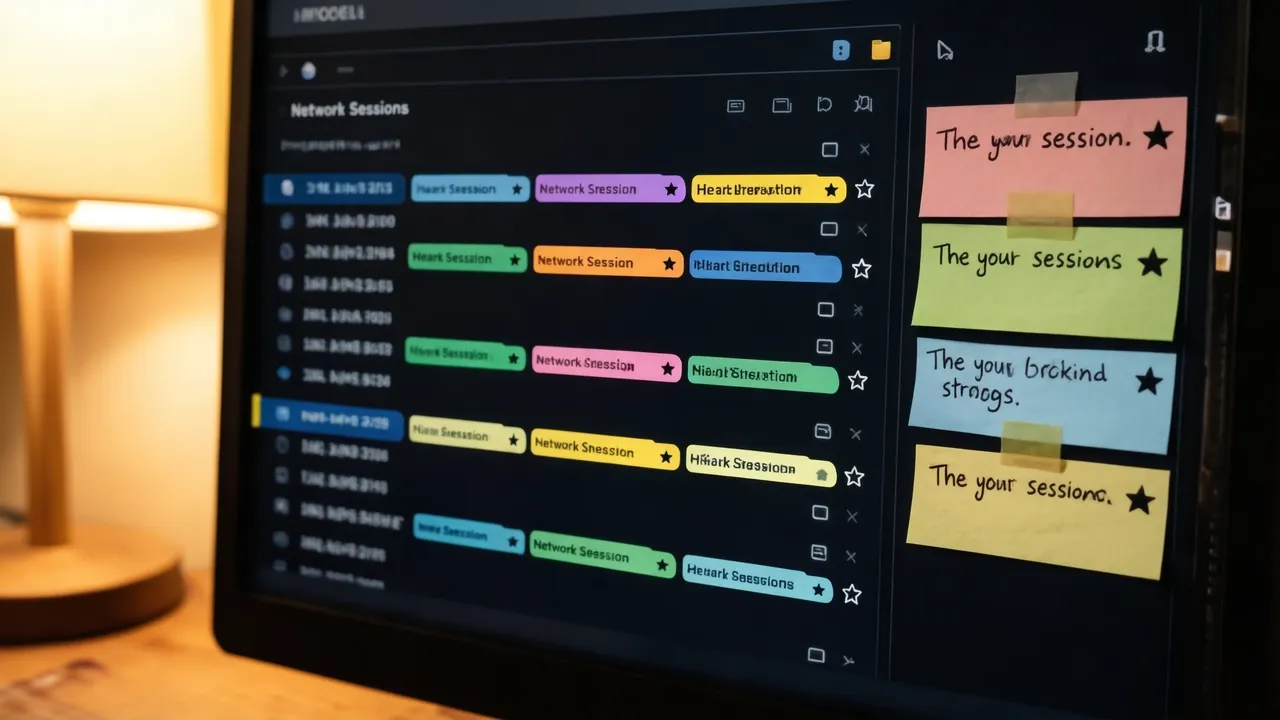
Tag Your Suspects: Cross-File Favorites and Annotated Tracking
When you're working through a batch of samples, the same few IPs keep resurfacing. This walkthrough shows how to star a suspicious host, attach a note to it, and filter every future capture down to those tagged objects with a single Favorites Only toggle — turning scattered judgments into a reusable tracking list.
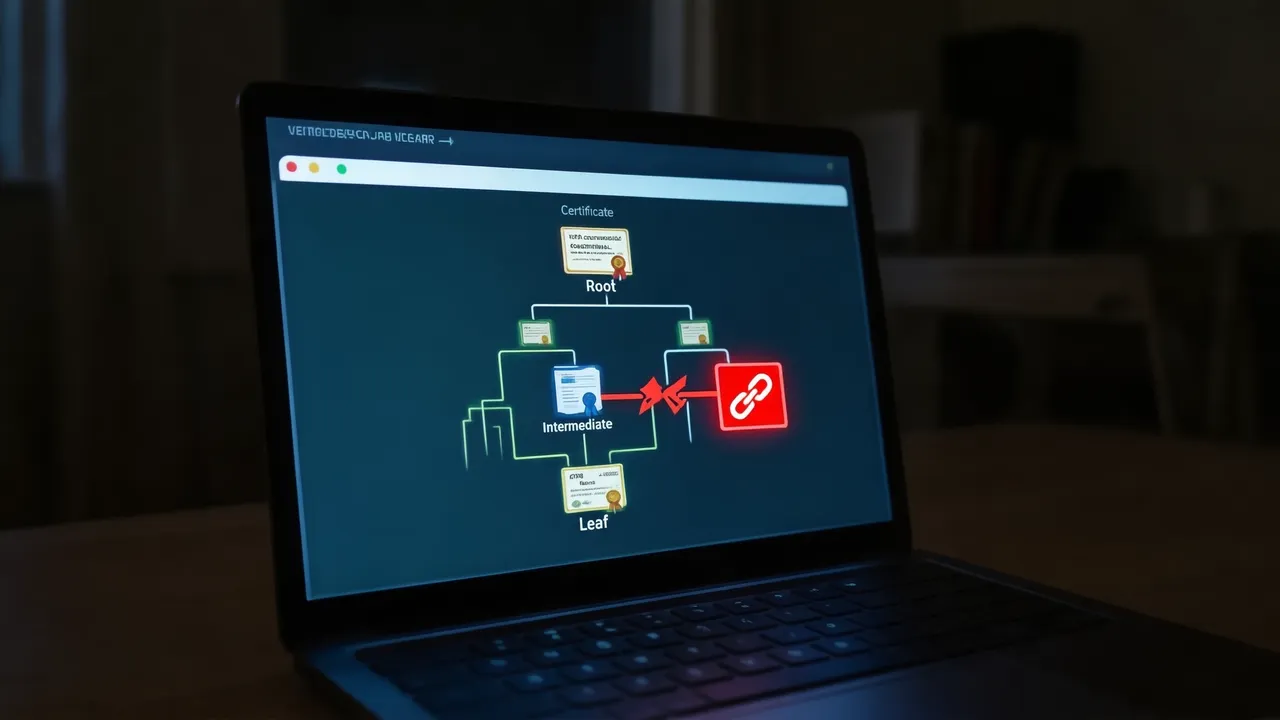
'Certificate Not Trusted': Finding the Broken Link in the Certificate Chain Tree
Your browser flags an internal service as untrusted but won't tell you which link in the chain is broken. This certificate chain analyzer walkthrough shows how to group certificates by issuer→subject in PcapDecoder's forensic view, then use the validity Gantt chart and verification reference line to find the dangling intermediate and the expired leaf. No network needed — a ssl certificate chain analyzer works entirely on the capture you already hold.

Reconstruct the Kill Chain in One Screen: Timeline Lanes Meet the Attack Graph
A lateral-movement alert lands with dozens of detections scattered across a capture, and you can't tell what happened first. This walkthrough shows how PcapDecoder's attack timeline sorts events into swimlanes, jumps you straight to the evidence packet, and pairs with an attack graph that flags the suspicious node — turning loose alerts into a readable kill chain.
Compliance Mapping Reports: Turning Packet Findings into PCI / HIPAA / NIST / SOC 2 / GDPR / CIS Evidence
An auditor does not want a pile of anomalies — they want a control reference, a determination, and evidence they can re-check. This article explains how packet findings map to controls across six frameworks, how to generate the mapped report in one step, and the one mistake that matters most: treating a technical cross-reference as a compliance certification.

Snake KeyLogger Traffic Analysis: Detecting SMTP Exfiltration
Snake KeyLogger exfiltrates stolen credentials directly over SMTP. Using a real infection-traffic sample, this article shows what that exfiltration channel looks like in a packet capture, and how to use PcapDecoder to identify the compromised host and preserve evidence.
How to Detect Cobalt Strike Beacon Traffic: 5 Indicators and a Practical Walkthrough
Cobalt Strike is a red-team favorite and a fixture of APT groups alike. Using a real malicious traffic sample, this article explains five identifiable characteristics of Beacon communication — and how to find all of them in a single capture file with PcapDecoder.